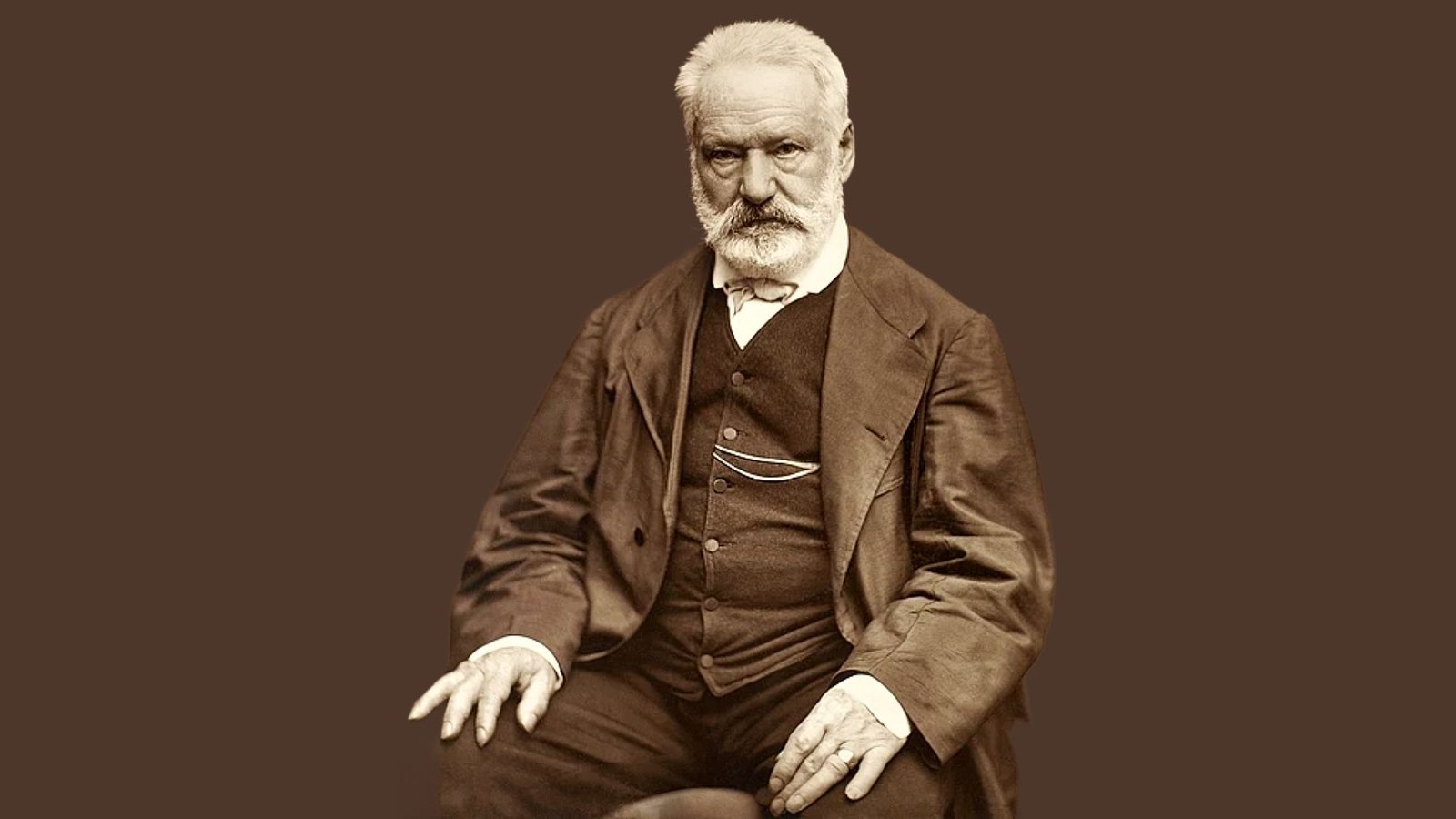
The quote of the day today is “The paradise of the rich is made out of the hell of the poor” which is a well known social critique by Victor Hugo. Hugo was a great French writer and politician of the 19th century. This quote is used in his 1869 novel The Man Who Laughs or L’Homme qui rit.
As pointed out in the quote, there was a drastic difference in social classes in 17th and 18th century Europe. Victor Hugo was questioning the economic structure at that time with this imagery. It has been one of the major themes in the debate on wealth distribution and social justice.
Victor Hugo, a French writer, said this quote. These lines famously appeared in the novel “The Man Who Laughs” originally published as L’Homme qui rit in 1869. The historical background is a criticism of the great social and economic inequality that Hugo experienced in the Europe of the 19th century. It emphasizes that the luxury of a given class can tend to depend upon the work of another.
Victor Hugo: Key Facts at a Glance
| Fact Category | Details |
| Author | Victor Hugo |
| Lifespan | 1802 – 1885 |
| Nationality | French |
| Original Source | The Man Who Laughs (L’Homme qui rit) |
| Publication Year | 1869 |
| Primary Theme | Social Injustice and Inequality |
| Legacy | Central text for social reform movements |
Quote of the Day by Victor Hugo
“The paradise of the rich is made out of the hell of the poor”
These lines are from Victor Hugo’s book The Man Who Laughs. It was a piece of historical fiction that took place in England during the reigns of King James II and Queen Anne.
Victor Hugo wrote this line to explain the inherent inequality of the society at that time. It was his opinion that the aristocracy were in luxury merely because the working people were in misery. The quote is found in the book to explicate the systemic poverty and wealth.
What Does This Quote Mean?
This quote illustrates the close interconnection between abject poverty and excessive wealth.
Simple Meaning
It implies that, the comfort of the rich tends to be very expensive to the poor laborers. The term implies that the profit of one individual would often be associated with the loss of another individual.
Deeper Interpretation
According to Hugo, social systems are interrelated. According to him, wealth is not created in a vacuum. Instead, he thinks that the luxury of the elite is amassed at the expense of the masses. It is a reproach against a system where such enormous disparities of living conditions are allowed to exist.
Context of the Quote
This line was composed by Victor Hugo when he spent his exile in the island of Guernsey. Victor Hugo was in exile for 19 years because of his political opposition against Napoleon III. The novel was published by him in 1869 after he spent years researching on the English peerage system.
The quote was meant to criticize the social injustices in 19th century France through an English historical context. Hugo was out to demonstrate that laws were usually created to favor the rich at the expense of the poor. The novel itself was a way to spread the message of defending the rights of the marginalized.
Real-Life Application of This Quote
This quote is relevant to the current debate on just wages and international labor standards. To illustrate, a cheap garment in a rich nation could be a product of miserable work in a third world country.
It motivates consumers and businesses to consider the human price of products. In our day to day lives, it is acting as a reminder that we need to think about the effects of our decisions on people at the bottom of the economic ladder.
About Victor Hugo
Victor Hugo was a French author, and one of the most important personalities of the Romantic literary movement. He is best known for his novels Les Misérables and The Hunchback of Notre-Dame. Hugo was also a dedicated politician who campaigned against capital punishment.
Why This Quote Still Matters Today
The quote still holds relevance since economic inequality worldwide is still a significant challenge in the 21st century. It offers a more basic explanation of intricate economic disparities that are prevalent in most contemporary societies.
The students of sociology and economy use this line to discuss the ethics of wealth distribution. It is a wake-up call that the measure of economic advancement should be through the way it treats the weakest members of the society.
Interesting Fact About This Quote
The character of the Man Who laughs was the main influence in the development of the Joker character in DC Comics. His permanent grin is tattooed on his face by criminals, the character Gwynplaine. Hugo took this physical deformity as an analogy of the way that the poor were used by the rich as entertainment.
Victor Hugo stood up for those who were treated unfairly. His book from 1869, The Man Who Laughs, gave him a way to express his strong opinions about society. The saying “The paradise of the rich is made out of the hell of the poor” captures how he saw the unfair system. This book is still an important piece for grasping the complicated history and moral issues around social classes.
ALSO READ: Quote of the Day: Socrates on Staying Humble